
Vegetable Recipes & Cooking Fundamentals
Explore our comprehensive collection of plant-based recipes, cooking techniques, and culinary guidance curated by the Clean Kitchen Study community.
Whether you're a beginner learning basic knife skills or an experienced cook seeking new flavor combinations, our editorial collection provides practical insights, seasonal ingredient guides, and tested recipes for every kitchen skill level.
The information on this site is for educational purposes only and does not constitute medical advice. Always consult a qualified healthcare professional before making health decisions.
Browse by Category
Featured Recipe Collections
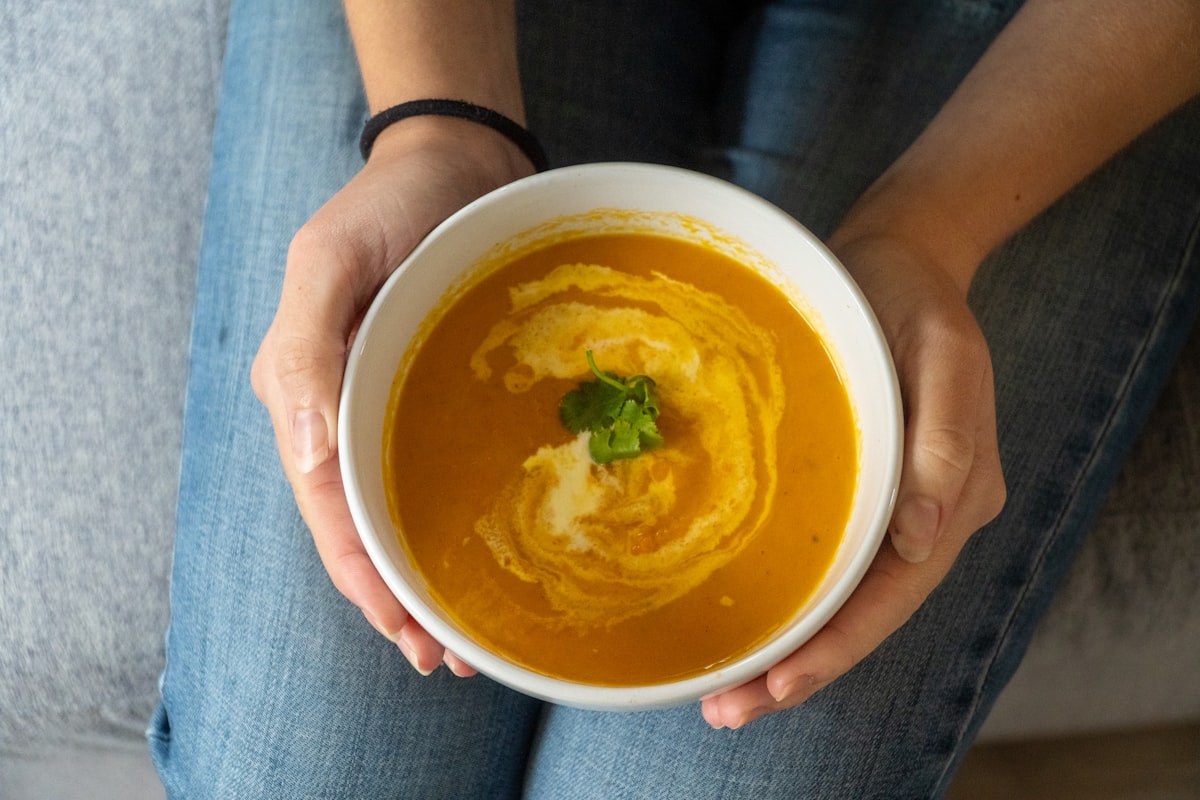
Mediterranean Vegetable Cooking
Master traditional Mediterranean techniques using fresh tomatoes, eggplants, peppers, and legumes. Learn authentic preparation methods that highlight the natural flavors of seasonal produce.
Explore Recipes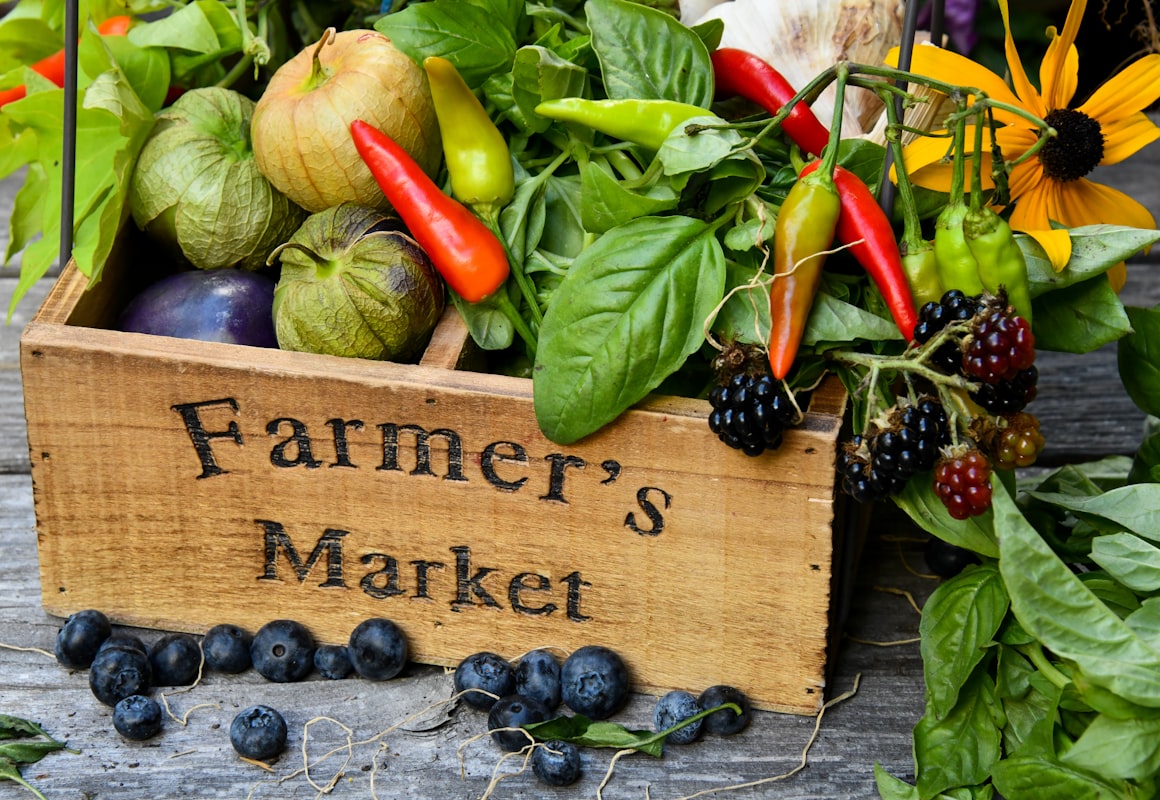
Stir-Fry Fundamentals
Discover the art of high-heat cooking with vegetables. This guide covers wok techniques, proper vegetable cutting, timing strategies, and flavor layering for crispy-tender results every time.
Explore Recipes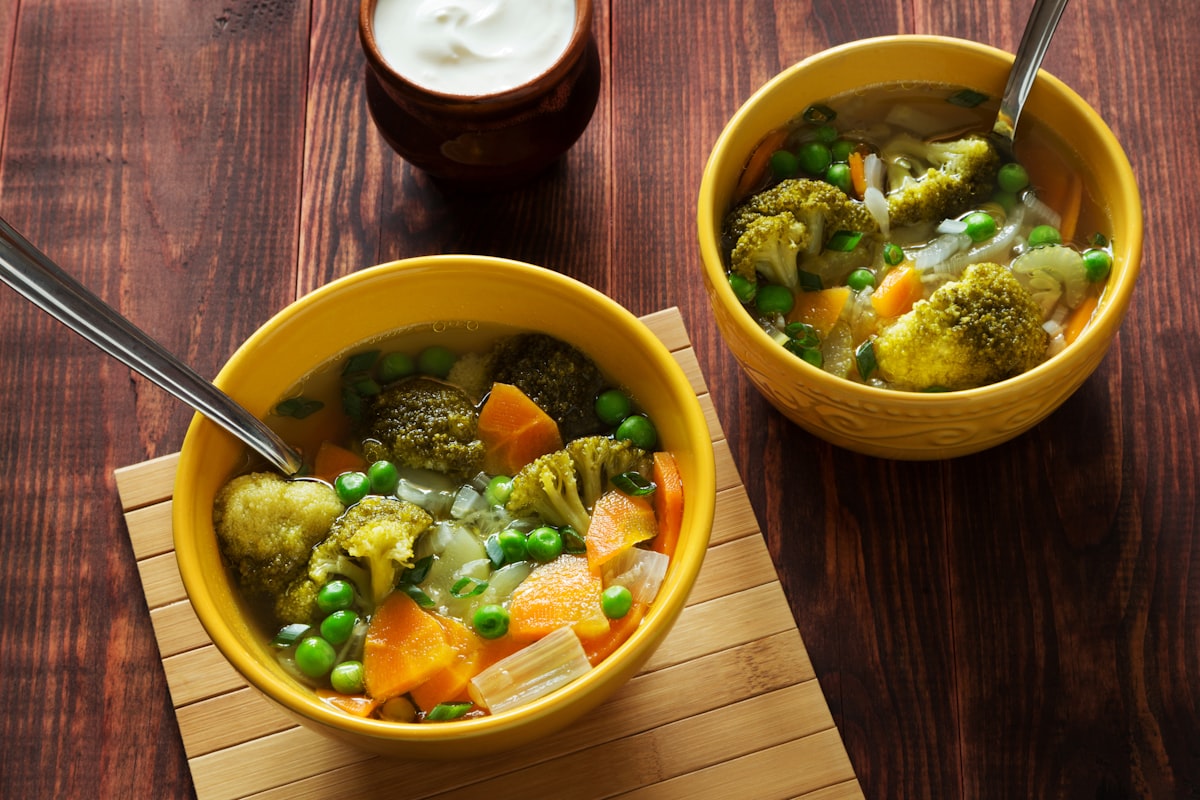
Root Vegetable Roasting
Learn to caramelize and roast root vegetables for maximum flavor development. Cover seasoning techniques, temperature control, and timing to achieve perfectly golden, tender results.
Explore Recipes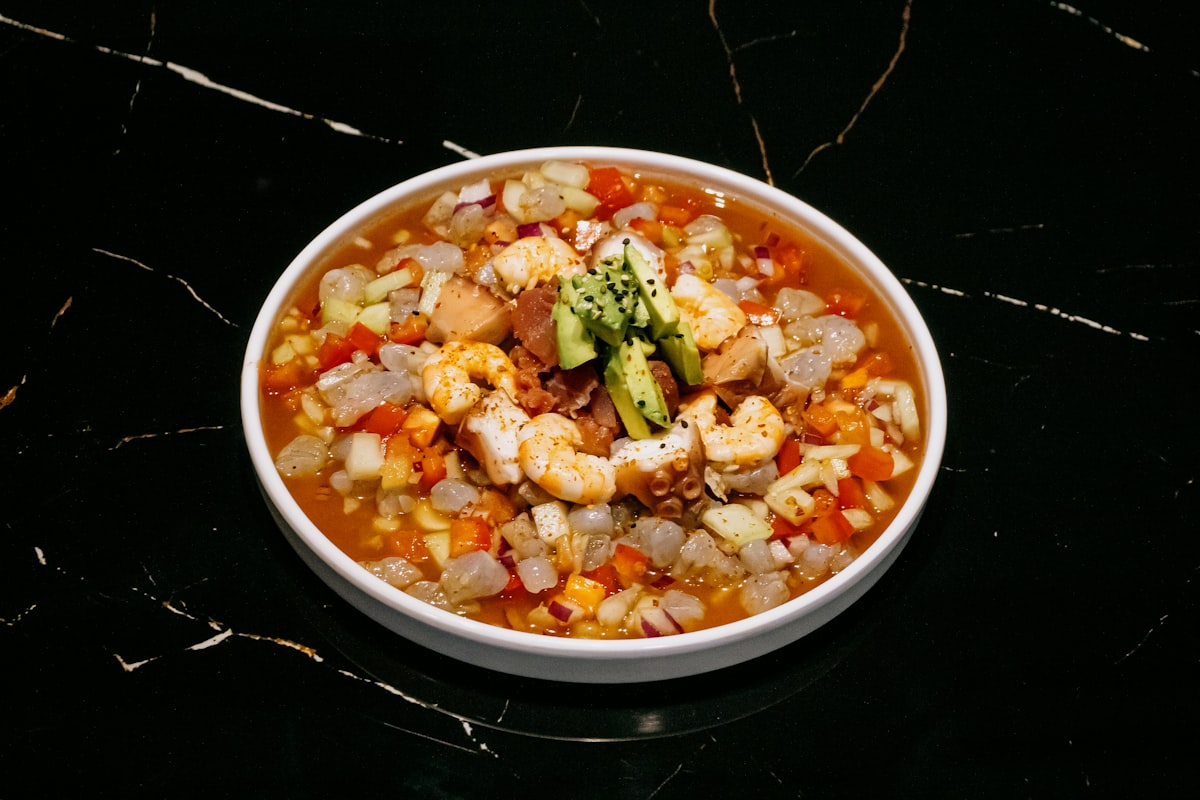
Salad Composition & Dressing
Build balanced, flavorful salads with proper ingredient selection and dressing techniques. Learn about seasonal greens, vegetable combinations, and homemade emulsion methods.
Explore Recipes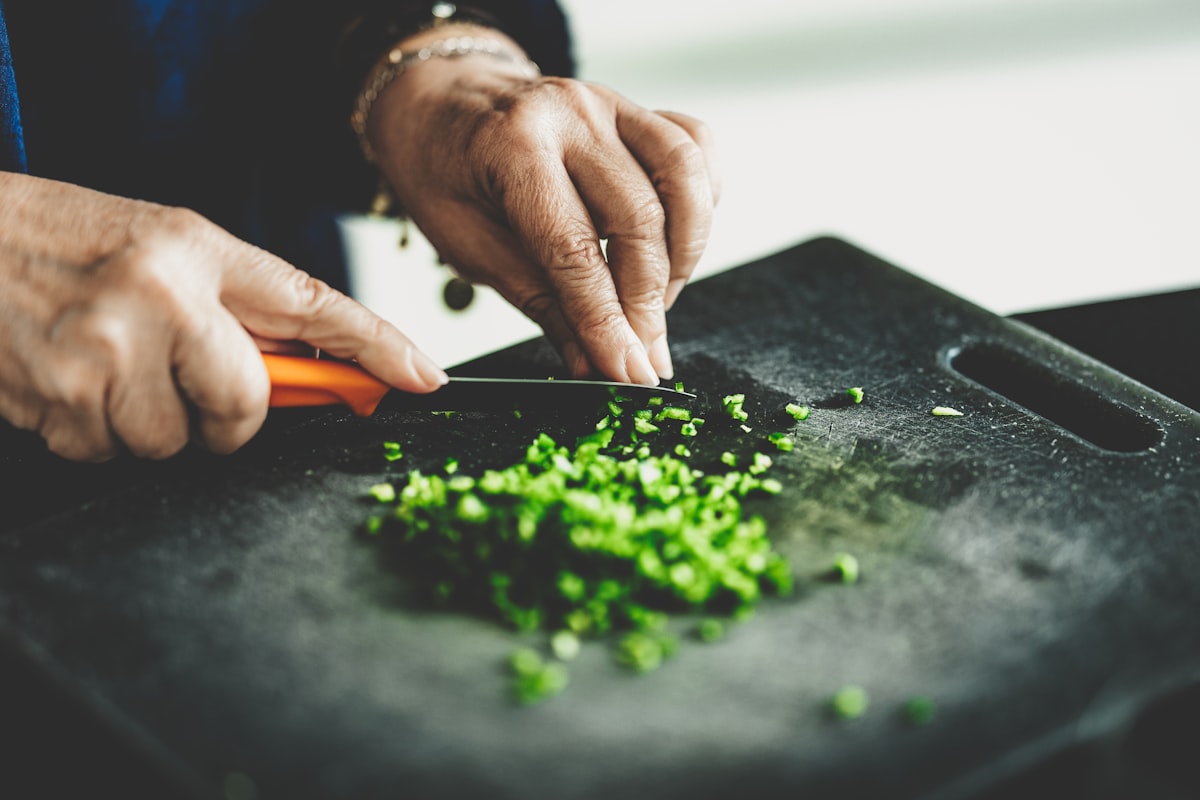
Vegetable Soups & Broths
Create deeply flavorful soups from vegetable scraps and fresh produce. Master stock-making, flavor extraction techniques, and consistency adjustments for hearty and refined soups.
Explore Recipes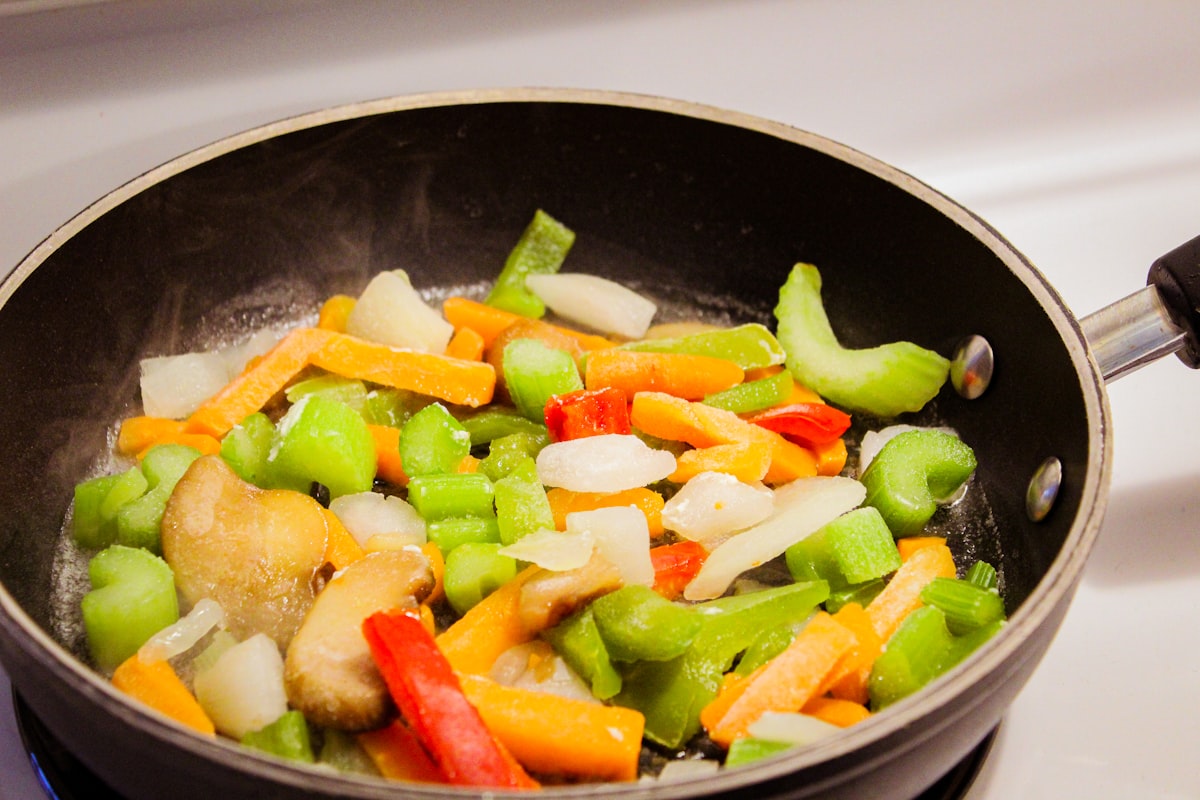
Stuffing & Baking Techniques
Transform vegetables into impressive main courses through stuffing and baking methods. Learn about texture development, flavor pairing, and presentation for restaurant-quality results.
Explore Recipes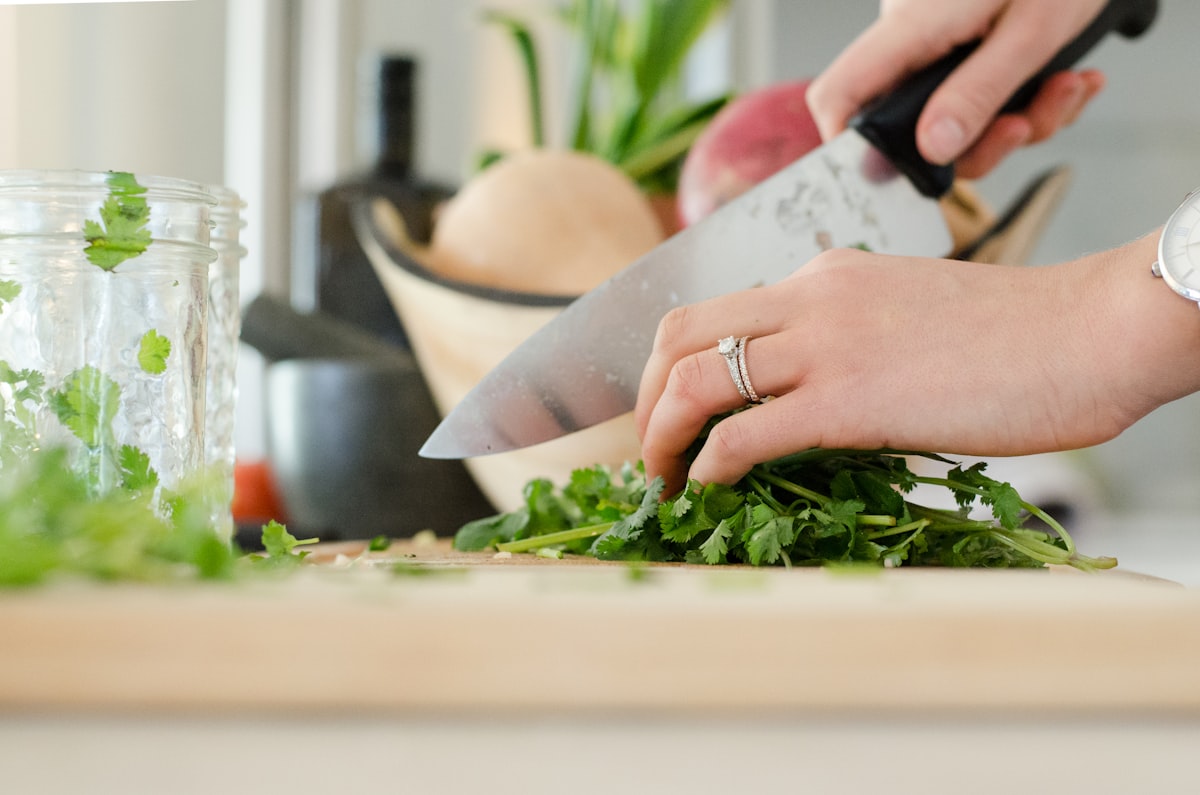
Fermentation & Pickling
Preserve vegetables using traditional fermentation and pickling methods. Explore salt ratios, spice blending, and fermentation timelines to create crunchy, flavorful condiments.
Explore Recipes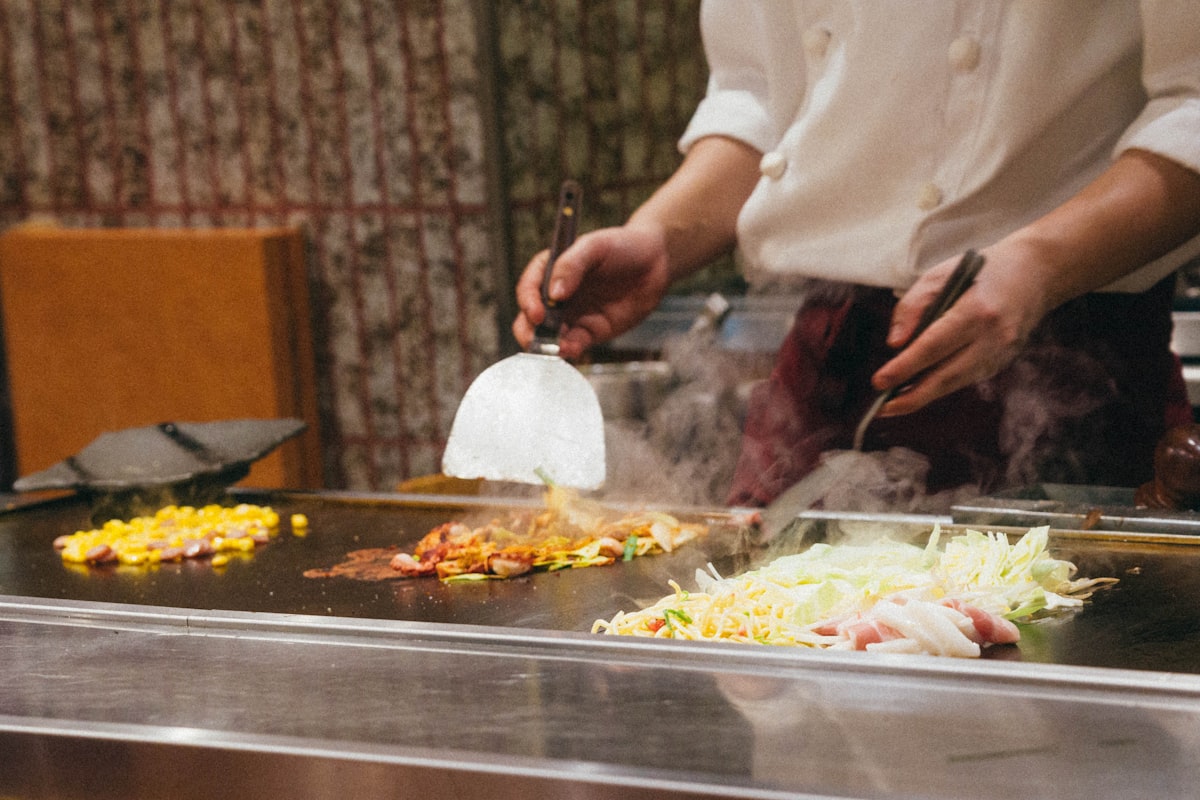
Seasonal Produce Selection
Understand how seasonal availability shapes your cooking. Learn to select peak-season vegetables, recognize quality indicators, and adapt recipes based on regional seasonal calendars.
Explore RecipesCore Cooking Fundamentals
Build your foundation with essential techniques and knowledge that apply across all vegetable cooking disciplines.
Knife Skills & Cutting
Master proper knife techniques, cutting styles, and safety practices. Learn brunoise, julienne, chiffonade, and other professional cuts that improve texture, cooking time, and presentation for every vegetable type.
Heat & Cooking Methods
Understand how different heat levels and cooking methods affect vegetables. Explore steaming, boiling, sautéing, grilling, and baking to achieve desired textures and flavor outcomes.
Ingredient Selection
Learn to identify quality vegetables at peak ripeness and freshness. Discover storage techniques that preserve flavor and texture, and understand which vegetables work best for specific cooking applications.
Flavor Building & Seasoning
Develop your palate and learn how to layer flavors effectively. Master seasoning timing, acid balance, and complementary spice and herb pairings to create depth and complexity in vegetable dishes.
Step-by-Step Techniques
Mise en Place Setup
Organize all ingredients and tools before cooking. This fundamental practice improves efficiency, prevents mistakes, and allows you to focus on technique execution rather than preparation during cooking.
Vegetable Prep & Blanching
Learn blanching and shocking techniques to preserve color and texture. Master the timing for different vegetables, understand when to peel versus skin-on preparation, and recognize doneness indicators.
Flavor Layer Building
Develop dishes with complexity by introducing flavors at strategic cooking stages. Learn about blooming spices, caramelizing aromatics, and acid incorporation for balanced, restaurant-quality depth.
Texture & Consistency Control
Achieve desired textures through proper timing and technique. Learn about carry-over cooking, texture contrasts, and how to avoid common mistakes like overcooking that make vegetables mushy or bitter.
Plating & Presentation
Present vegetables beautifully to enhance the dining experience. Learn composition principles, color balance, height variation, and finishing touches that transform simple preparations into impressive plates.
Popular Vegetables: Complete Guides
Detailed information about specific vegetables, including selection, storage, preparation methods, and traditional recipes from global cuisines.
Tomatoes: Varieties & Applications
Explore different tomato varieties, ripeness indicators, and storage methods. Learn cooking techniques that highlight their sweetness and acidity for sauces, roasting, and fresh preparations.
Read Full Guide →Leafy Greens: Selection & Preparation
Understand seasonal leaf varieties, delicate handling techniques, and proper washing methods. Learn cooking times for different greens and raw preparations that maintain texture and nutrition.
Read Full Guide →Cruciferous Vegetables: Flavor & Texture
Master broccoli, cauliflower, and cabbage preparation to reduce sulfur flavors and develop sweet, nutty notes. Explore roasting, steaming, and quick-cooking methods for optimal results.
Read Full Guide →Root Vegetables: Cooking & Caramelization
Learn how to properly cut and cook root vegetables for even texture development. Understand caramelization timing and temperature control for golden, sweet, crispy results.
Read Full Guide →Peppers & Chiles: Heat & Flavor Profile
Distinguish between sweet bell peppers and various chile types. Learn roasting and charring techniques that develop depth, and understand heat levels for appropriate dish applications.
Read Full Guide →Legumes & Plant-Based Proteins
Explore dried beans, lentils, and peas with cooking time guidance and flavor applications. Learn soaking techniques, cooking methods that maintain texture, and traditional preparations from world cuisines.
Read Full Guide →Frequently Asked Questions
Quality vegetables should feel firm, show vibrant color, and have no soft spots or blemishes. Seasonal produce is typically fresher and more flavorful. Learn to examine each vegetable type for specific quality indicators—tomatoes should give slightly to pressure, leafy greens should be crisp and bright, and root vegetables should be heavy for their size. Shopping at local markets or farms when possible provides access to peak-season produce with superior flavor and shorter time from harvest.
Store cruciferous vegetables in the crisper drawer of your refrigerator at 32-40°F with high humidity. Keep them in perforated plastic bags to maintain moisture while allowing air circulation. Don't wash before storage, as excess moisture promotes decay. Store away from ethylene-producing fruits like apples and bananas. Most cruciferous vegetables last 1-2 weeks when properly stored. For longer storage, blanch and freeze them in airtight containers or freezer bags for up to 8-12 months. Check periodically and remove any yellowing or damaged leaves.
Cruciferous vegetables are excellent sources of dietary fiber, which promotes regular bowel movements and feeds beneficial gut bacteria. They contain compounds like sulforaphane that support detoxification pathways in the liver and digestive tract. The prebiotic fiber in these vegetables helps increase populations of healthy microbiota, improving overall gut health and immune function. Additionally, their anti-inflammatory properties can soothe the digestive tract lining. Raw consumption maximizes enzyme content, while cooked versions are easier to digest for sensitive stomachs. Gradual introduction prevents gas and bloating as your digestive system adapts to increased fiber intake.
What Our Readers Say
Jessica Martinez
Health Coach
"Clean Kitchen Study has transformed how I approach meal planning. The comprehensive guides on cruciferous vegetables have made them a staple in my clients' diets. The science-backed approach is refreshing!"
Robert Kim
Home Chef
"The cooking techniques shared here have elevated my kitchen skills. I've learned so much about flavor profiles and nutrition. Every recipe recommendation is backed by solid research. Highly recommended!"
Sarah Patel
Nutritionist
"As a nutritionist, I appreciate the evidence-based content. Clean Kitchen Study provides resources I confidently share with patients. The depth of research on health benefits is outstanding."